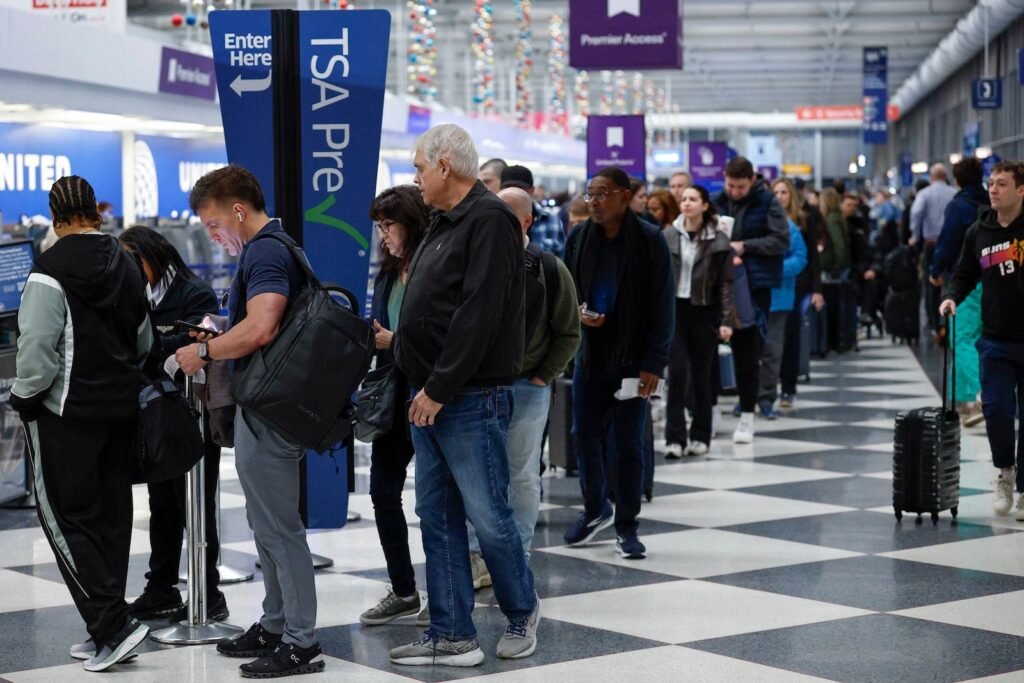
It’s the rule every passenger has to consider when packing for a flight.
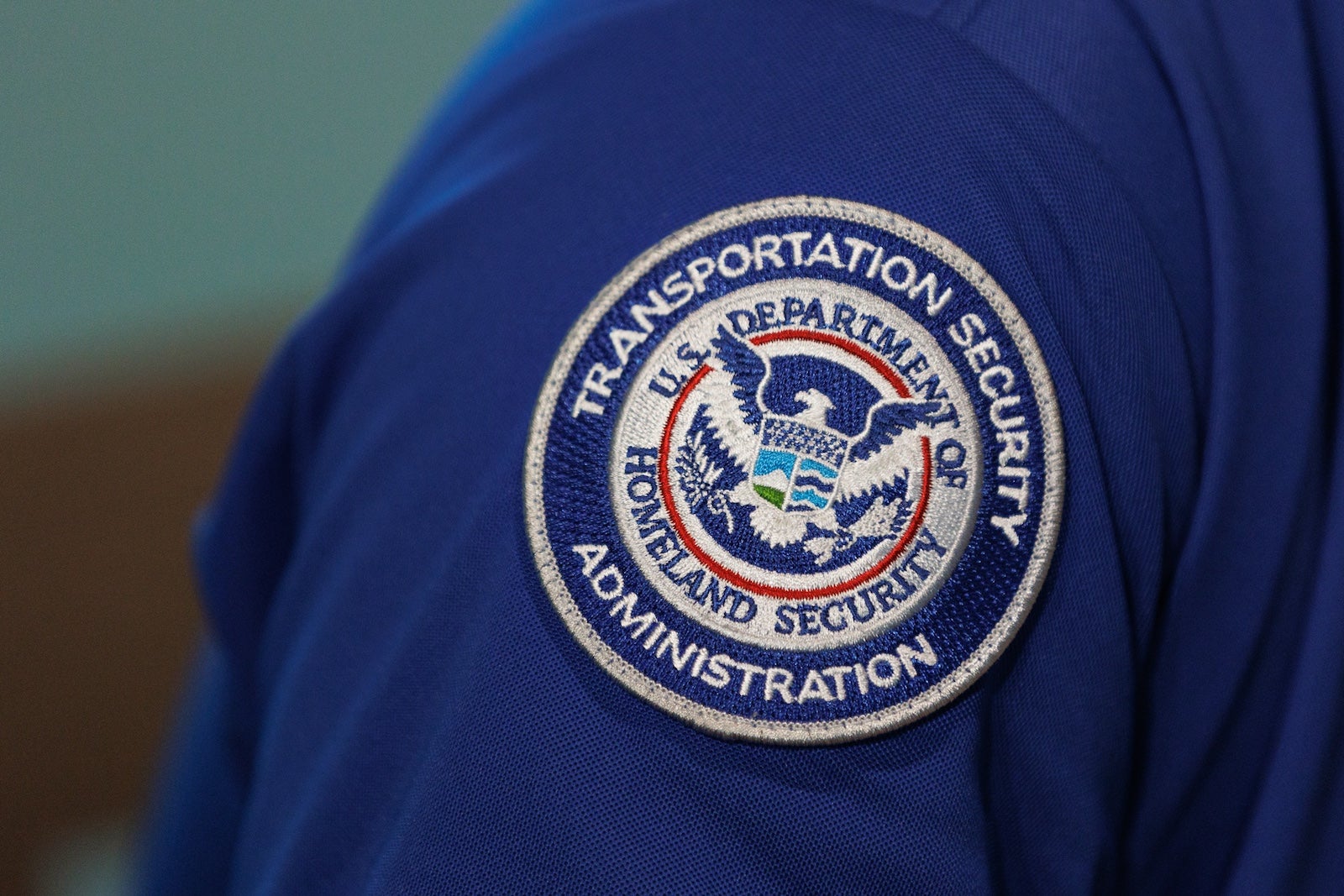
For 20 years now, the Transportation Security Administration has enforced rules on the liquids passengers can bring in carry-on bags.
This policy is the reason you can’t bring a full-size bottle of shampoo or sunscreen through a TSA checkpoint. It’s one of the biggest reasons bags get pulled for secondary screening.
Last year, the TSA stopped requiring flyers to take off their shoes, but the liquids rule remains one of the biggest hurdles travelers still face when passing through security.
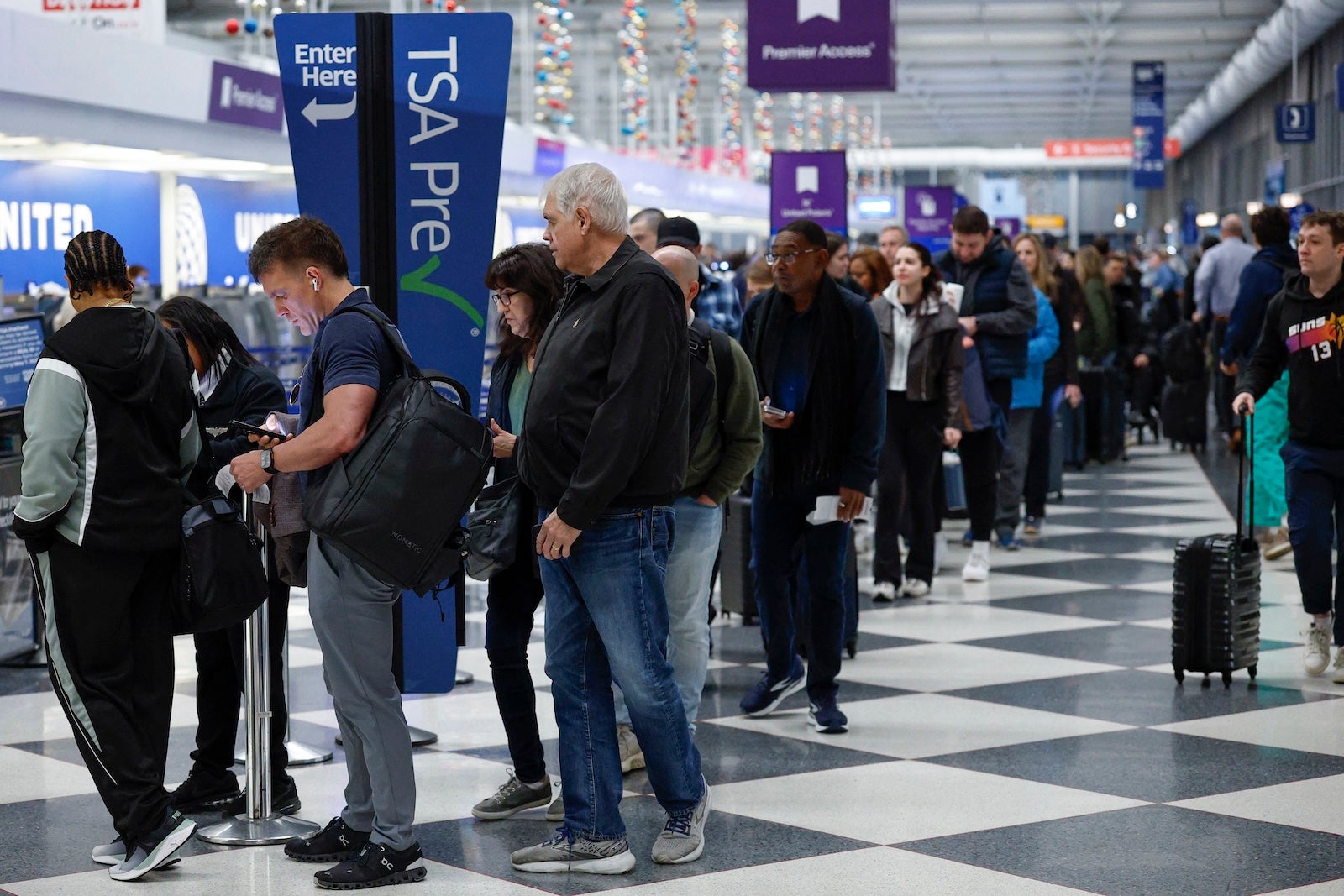
But what exactly are the TSA liquid rules, and why do they exist? And, most importantly, what does this mean for packing ahead of your next trip?
Here’s a quick rundown.
TSA liquids rules: Why do they exist?
The TSA’s restrictions on liquids date back to 2006. In the wake of a thwarted terrorism plot overseas, the agency started restricting the liquids, gels and aerosols passengers could bring in their carry-on baggage.
Scores of other countries around the world put similar policies in place in the name of aviation security.
What is the TSA’s 3-1-1 rule?
The TSA’s ban on liquids — or at least large quantities of them — is governed by what’s known as the “3-1-1 rule.”
The decades-old policy states that:
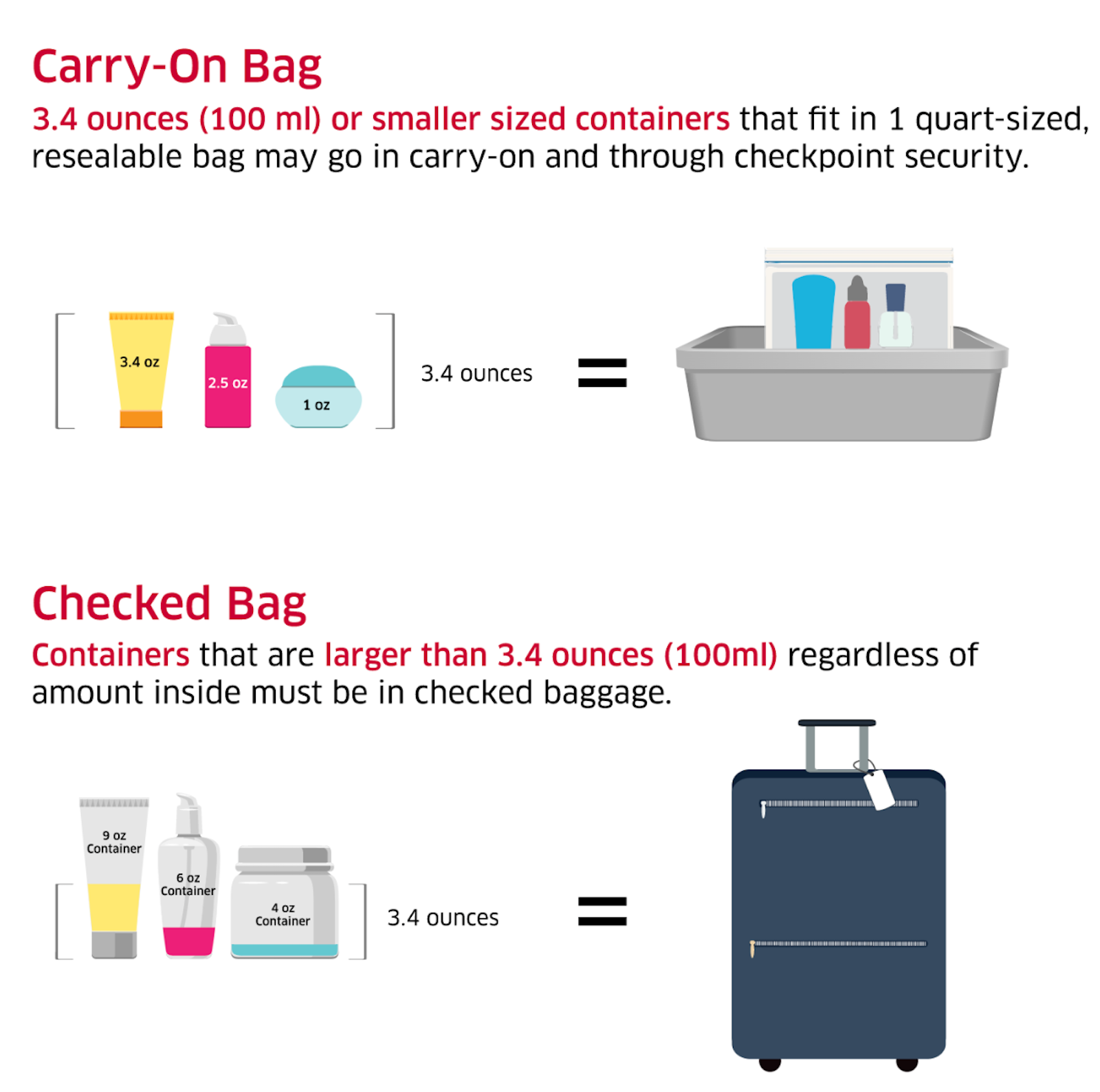
- Liquids must be in containers no larger than 3.4 ounces, or roughly 100 milliliters (that’s the “3”).
- All containers must be placed in one clear, quart-size plastic bag (“1”).
- Each passenger is only allowed one such plastic bag (“1”).
These rules govern liquids, gels and aerosol products ranging from toothpaste to shampoo, conditioner, mouthwash and sunscreen — among other products.
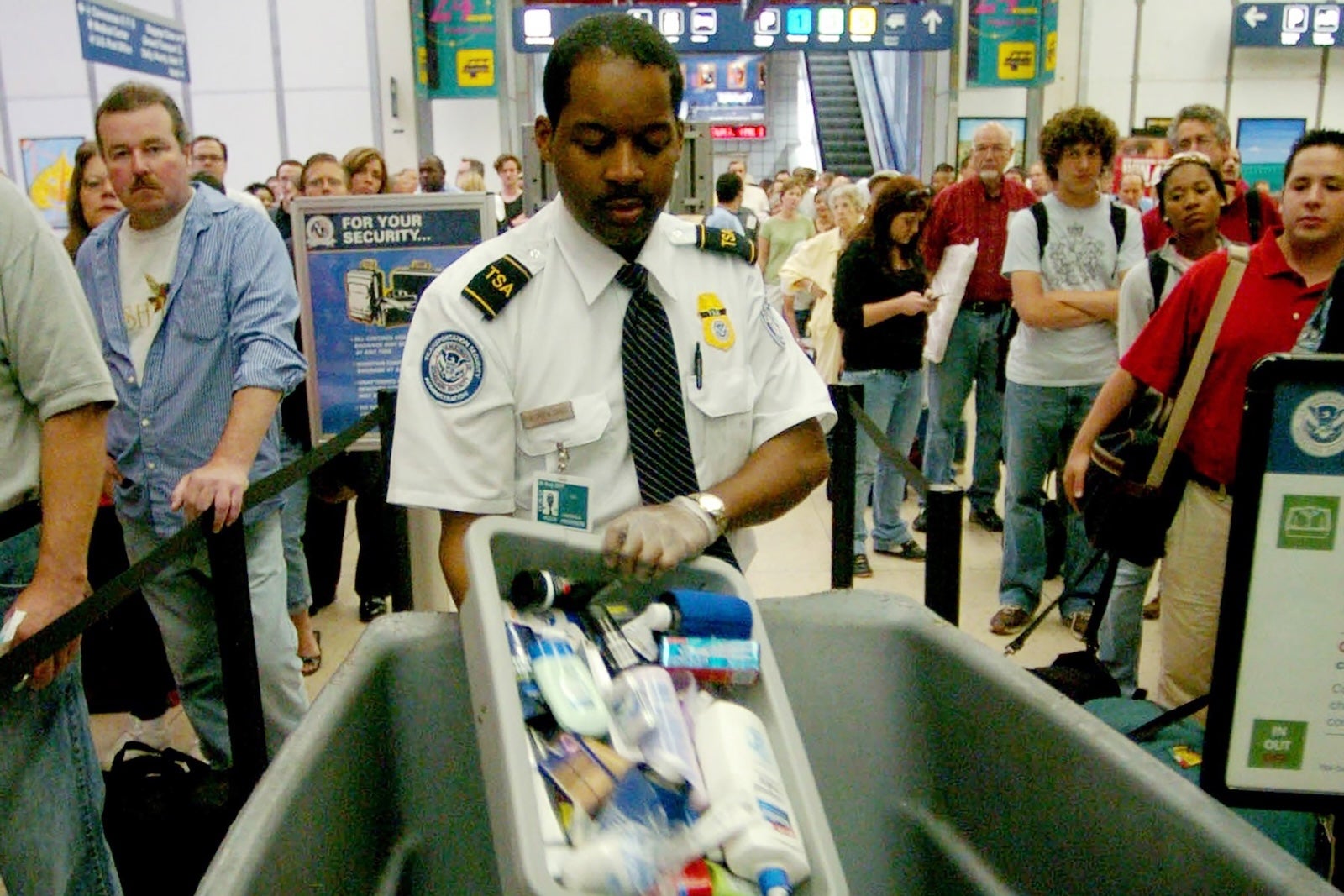
Liquid products larger than 3.4 ounces must be placed in a checked bag. That applies even to those large shampoo containers with just a tiny bit of shampoo left, per TSA policy.
Exceptions to the TSA’s 3-1-1 policy
There are a few exceptions, though.
The TSA will allow you to bring “medically necessary” liquids, gels and aerosols in reasonable quantities for your flight. However, you must declare those items to security officers at the checkpoint for inspection.
The agency asks travelers with larger amounts of medically necessary liquids to remove them from the carry-on bag and place them in a bin or bowl. The TSA has a variety of alternative screening methods it can use.
What can you bring through a TSA checkpoint?
You can bring creamy cheeses, liquid chocolate, liquid coffee, creamy dips and spreads, gravy, honey, hummus, ice cream, jam, jelly, juice, syrup, peanut butter, salad dressing, sauce, salsa, soda, soup and yogurt as long as they are in a container of less than 3.4 ounces, according to the TSA.
You can bring your water bottle with you — as long as it’s empty. This can also be a great way to save money at the airport, since many now have postsecurity filling stations for reusable water bottles.
When in doubt, consult the TSA’s list of what you can carry through the airport and check with your airline.
Or, better yet, download the MyTSA app. It contains a “Can I Bring?” section, allowing you to look up items and find out whether they’re allowed outright, restricted to 3.4 ounces, permitted only in a checked bag, permitted only in a carry-on bag or prohibited altogether.
Could 3-1-1 finally go away?
While the TSA’s 3-1-1 liquids rules remain in place, there’s reason to wonder how long they’ll be around.
The U.K. has begun a long-planned rollback of its liquids rules.
And after the TSA ended its long-standing “shoes-off” policy in 2025, the Trump administration signaled that the liquids restrictions could be next … someday.
“We’re exploring technologies that might allow us to bring water bottles again through checkpoints,” newly appointed TSA administrator David Cummins told Congress during his summer 2026 confirmation hearing.
So, abide by the rules for now. But stay tuned.
Related reading:
- When is the best time to book flights for the cheapest airfare?
- The best airline credit cards
- What exactly are airline miles, anyway?
- 6 real-life strategies you can use when your flight is canceled or delayed
- Maximize your airfare: The best credit cards for booking flights
- The best credit cards to reach elite status
Editorial disclaimer: Opinions expressed here are the author’s alone, not those of any bank, credit card issuer, airline or hotel chain, and have not been reviewed, approved or otherwise endorsed by any of these entities.